Trends
Black Coffee

From Oakland to Chicago, these entrepreneurs are stitching community, culture and commerce into every latte - proving that for many Black business owners, a café is more than just caffeine.

These days it’s rare to see Black love celebrated with a dose of humor on the silver screen in theaters. Even rarer is getting to see the brand of lighthearted, joyful, boy-meets-girl goodness wrapped in family-friendly quips that make up the PG-13–rated romantic comedy.

Joe Turner’s Come and Gone returns to Broadway, beginning previews March 30 at the Ethel Barrymore Theatre. Directed by Debbie Allen, the production arrives with a sense of quiet anticipation that feels different from the usual Broadway build.

The Best Black-Owned Wineries You’ve Probably Never Heard Of
Over the years, Black winemakers have carved out remarkable spaces in American viticulture, despite staggering odds. While less than 1% of the 11,500+ wineries in America are Black-owned, per CNN, these establishments offer some of the country’s most innovative, soulful, and delicious wines.
Black-owned wineries’ stories embody creativity and a deep connection to the land. Their success comes despite historical barriers that have limited Black vineyard ownership to just 0.4% of all U.S. farm acreage. These wineries are transforming the wine industry with fresh perspectives and reclaiming a relationship with agriculture that has complex historical roots.
Nostalgia
A stroll back down memory lane
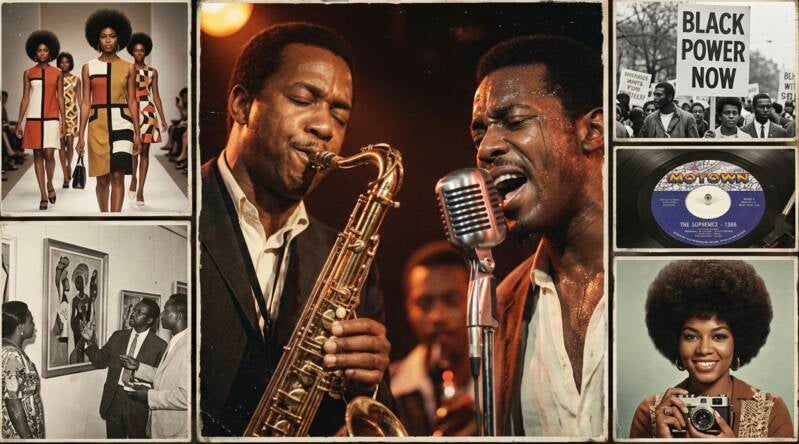
In 1966, Black music and culture sat at a pivotal crossroads where the optimism of the early Civil Rights Movement began shifting toward the more assertive Black Power movement. This year saw the explosion of Soul music as a dominant global force and the birth of revolutionary cultural organizations.
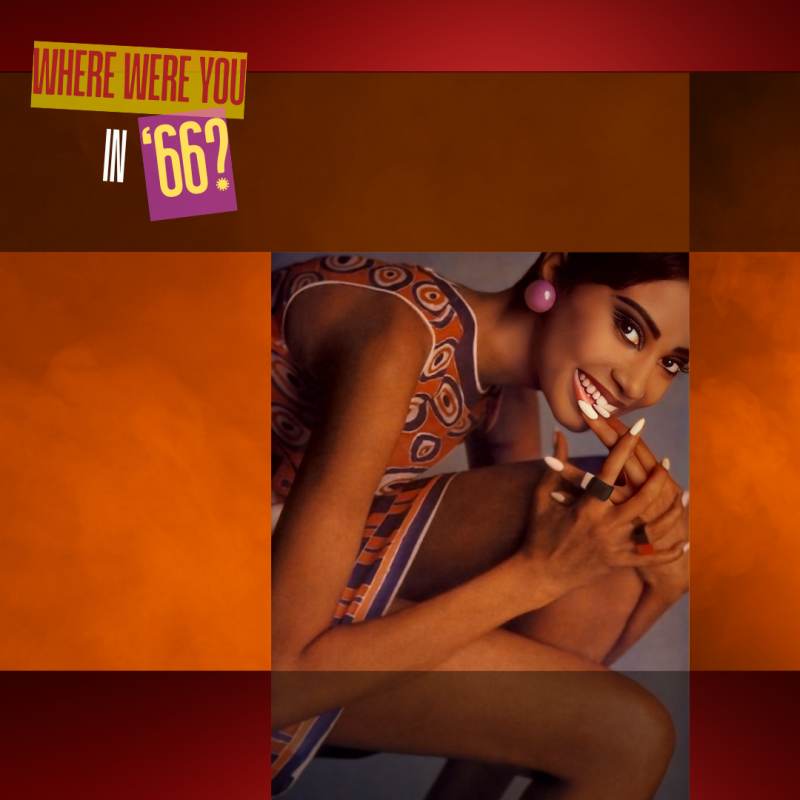
Musical Landmarks of 1966
- The Motown Sound: The Detroit-based label was at its peak, with The Temptationsachieving four #1 hits ("Get Ready", "Ain't Too Proud to Beg"). The Supremes also dominated with crossover hits like "You Can't Hurry Love" and "You Keep Me Hangin' On".
- Stax and Southern Soul: Gritty, horn-driven soul from Memphis and the South rose in prominence. Key tracks included Percy Sledge’s "When a Man Loves a Woman" and Wilson Pickett’s "634-5789".
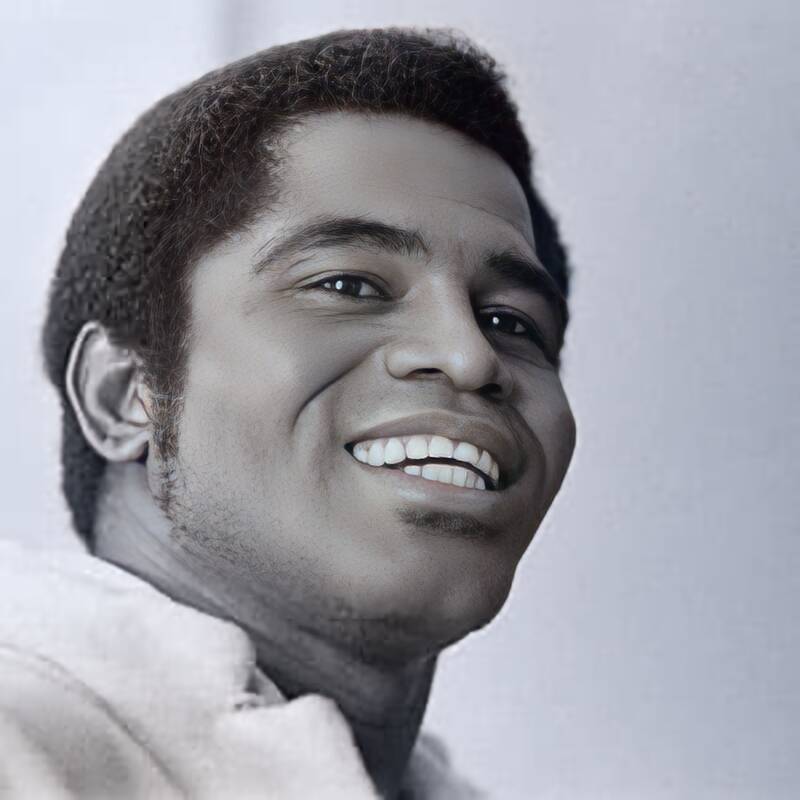
- James Brown’s Innovations: Brown released the theatrical and soul-baring "It's a Man's, Man's, Man's World," further solidifying his role as a precursor to funk.
- Socially Conscious Anthems: Nina Simone released "Four Women," a poignant narrative detailing the diverse and complex realities of Black women's lives.
Cultural & Political Shifts
- Rise of Black Power: The Black Panther Party was founded in Oakland, California, in October 1966, representing a new militant approach to self-defense and social change.
- Global Renaissance: The first World Festival of Black Arts was held in Dakar, Senegal, in April 1966. It brought together 2,500 participants from across the African diaspora to showcase Black literature, music, and visual arts.
- Fashion & Identity: Natural and "Afro" hairstyles began to gain popularity among Black youth as a rejection of white beauty standards and an embrace of heritage.
- Local Cultural Festivals: The first Watts Summer Festival took place in Los Angeles in 1966, serving as a peaceful demonstration of Black cultural vibrance following the 1965 Watts uprising.


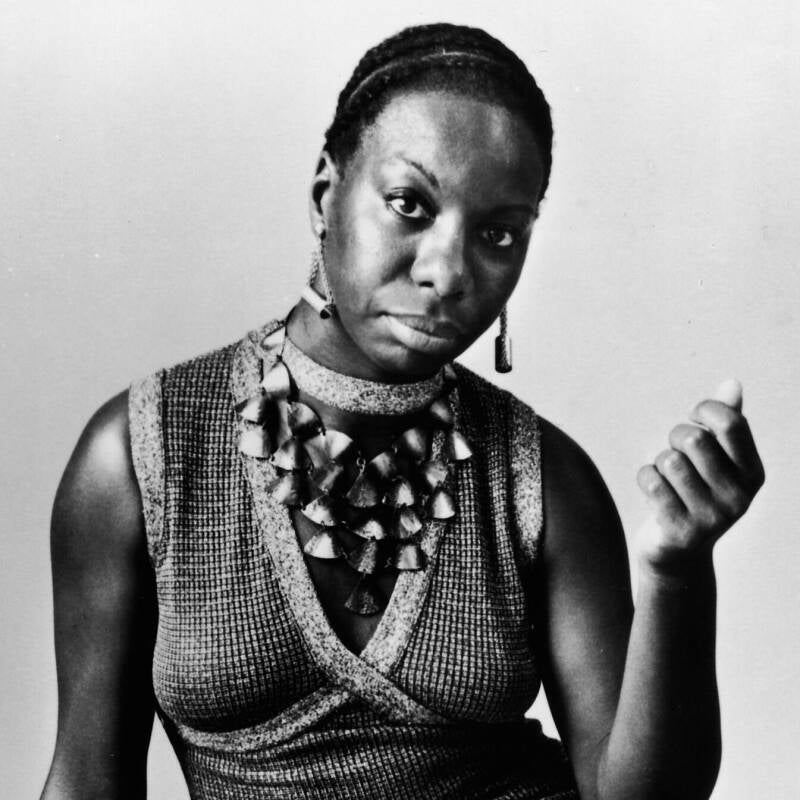
Black is Beautiful: The Emergence of Black Culture and Identity in the 60s and 70s
The phrase “black is beautiful” referred to a broad embrace of black culture and identity. It called for an appreciation of the black past as a worthy legacy, and it inspired cultural pride in contemporary black achievements.
In its philosophy, “Black is beautiful” focused also on emotional and psychological well-being. The movement affirmed natural hairstyles like the “Afro” and the variety of skin colors, hair textures, and physical characteristics found in the African American community.

Afro Sheen is an iconic hair care brand launched in the late 1960s by Johnson Products, symbolizing Black beauty and pride. Relaunched in 2020, it provides styling products (creams, sprays, oils) tailored for natural, textured hair—specifically kinks, curls, and coils—using ingredients like shea butter and coconut oil to define, hydrate, and add shine.

Black is Beautiful: The Evolution of Self-Love in Black History

Soul on Ice is a seminal collection of essays and letters written by Eldridge Cleaver while he was incarcerated in Folsom State Prison. Published in 1968, the book became a bestseller and a defining text of the Black Power movement, offering a raw and controversial critique of American society and the Black experience.

The "Black is Beautiful" movement, emerging in the 1960s, was a transformative shift in Black history that urged the rejection of Eurocentric beauty standards, promoting self-love, pride, and the reclamation of African beauty, including natural hair (Afros), varied skin tones, and features. It aimed to dismantle deeply ingrained anti-Black societal views, fostering psychological well-being and a new, confident cultural aesthetic.

Kwame Brathwaite (1938–2023) was an influential American photojournalist and activistwho became a defining architect of the "Black Is Beautiful" movement in the 1950s and 60s. Known as the "Keeper of the Images," he used his camera to challenge Eurocentric beauty standards and document the cultural and political life of Harlem, the Bronx, and the African diaspora.


During the Jim Crow era, all-Black summer resorts emerged as essential "hidden safe havens" where African Americans could enjoy leisure without the threat of racial discrimination, humiliation, or violence.
These self-contained communities featured Black-owned hotels, restaurants, and nightclubs, often serving as major stops on the Chitlin' Circuit for legendary entertainers like Louis Armstrong and Aretha Franklin.
The popularity of many of these resorts subsided following the Civil Rights Act of 1964, as integration allowed Black vacationers to explore previously prohibited destinations. While some towns like Idlewild struggled after integration, others like Oak Bluffs and Highland Beach remain active communities today, often preserving their history through museums and cultural centers.
The Year the Floor Caught Fire
Disco’s 1976 Revolution
In 1976, America was celebrating its Bicentennial, but a different kind of independence was being declared on the dance floors of New York, Philadelphia, and beyond. Before Saturday Night Fever made disco "safe" for the suburbs in 1977, 1976 was the year the genre truly hit its stride as a radical, inclusive cultural force.
A Sanctuary for the Marginalized
While the mainstream still belonged to stadium rock, disco in 1976 remained a vital sanctuary for those on the fringes.
- The Safe Space: Underground clubs like The Loft and early incarnations of Paradise Garage provided a rare "freedom music" environment.
- A New Social Order: On the dance floor, racial, sexual, and gender boundaries dissolved. It was the first American music scene where openly gay and straight people danced together intentionally, creating a "sanctuary for the disenfranchised".
- Audience as Stars: Unlike rock, which idolized the stage-bound star, disco shifted the focus to the audience and the DJ. In 1976, the dance floor was the event, and the music—mixed specifically for club play—was the catalyst.
Paradise Garage
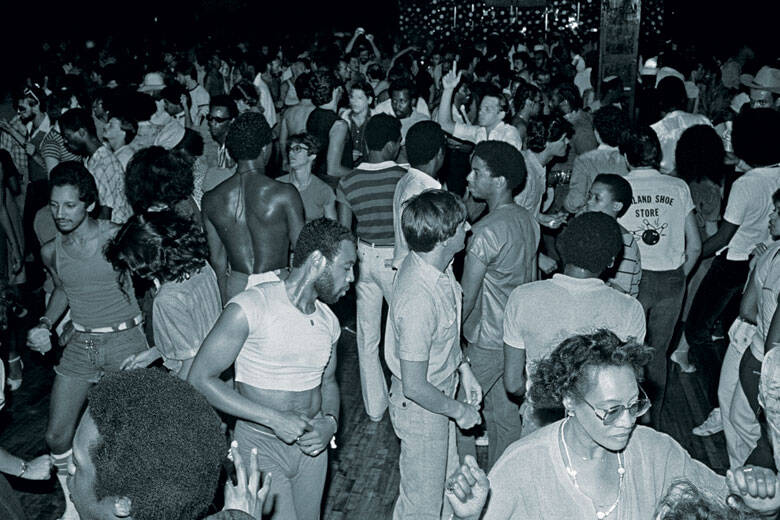
Paradise Garage was a legendary Manhattan nightclub that operated from 1977 to 1987 at 84 King Street. It is revered as the birthplace of the modern nightclub experience, placing the DJ at the center of attention and prioritizing sound quality and community over social status.
Key Historical Details
- Founder & Concept: Founded by Michael Brody, the club was housed in a former parking garage. It was inspired by David Mancuso's "The Loft," operating as a members-only venue that served no alcohol, allowing it to stay open until noon the next day.
- Resident DJ: The heart of the Garage was Larry Levan, whose marathon Saturday night sets were famously known as "Saturday Mass". He is credited with developing "Garage House," a soulful precursor to modern house music.
- Technical Innovation: The venue featured a custom-built, world-class sound system by Richard Long and a sprung dance floor.
- Cultural Significance: It was a sanctuary for New York's Black and LGBTQ+ communities. The club hosted early performances by stars like Madonna, Diana Ross, and Grace Jones.

The Soundtrack of 1976
1976 saw the release of tracks that defined the era’s ethos of joy and survival:
- Donna Summer’s "Could It Be Magic": Cemented her as the "Queen of Disco".
- ABBA’s "Dancing Queen": A global anthem of liberation and pure pop joy.
- The Bee Gees’ "You Should Be Dancing": Marked their pivot from pop-rock to the funky disco sound that would soon dominate the world.
- The Trammps’ "Disco Inferno": Released in late '76, it became the ultimate fiery anthem for the movement.
- Candi Staton’s "Young Hearts Run Free": A powerful expression of feminist liberation and emotional resilience.
Catch One
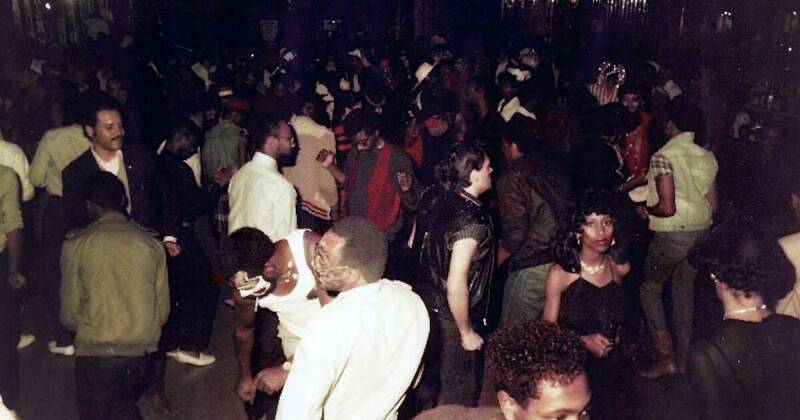
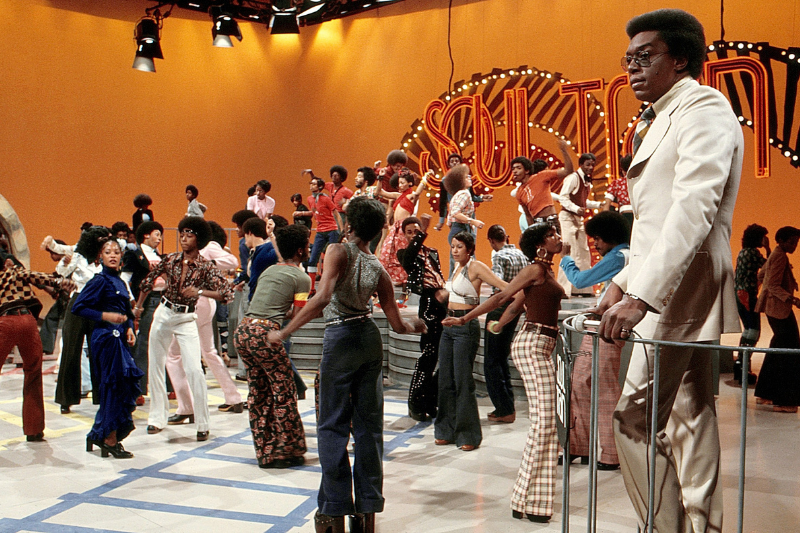
Catch One (formerly Jewel's Catch One) was a historic multi-room nightclub located at 4067 West Pico Boulevard in Los Angeles. Founded in 1973 by Jewel Thais-Williams, it was the first Black gay disco in the United States and remained a cornerstone of the LGBTQ+ and African American communities.